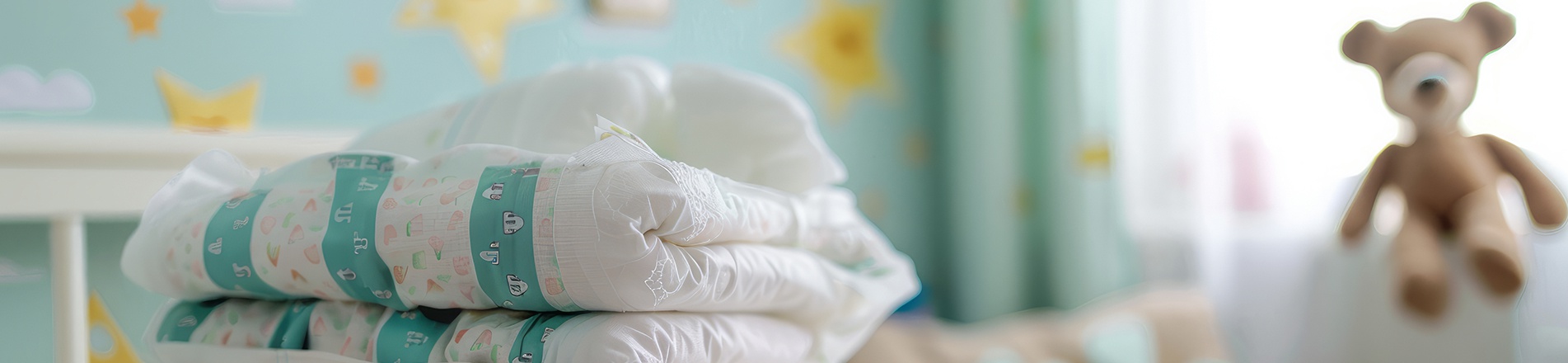
مع ارتفاع مستويات المعيشة، يولي المستهلكون اهتمامًا أكبر لقيمة المنتج وتجربته، بدلًا من التركيز على السعر فقط. وتعتمد الحفاضات، باعتبارها ضرورة يومية، على جودة موادها الأساسية: البوليمر فائق الامتصاص، والنسيج غير المنسوج، والغشاء المسامي. قد تكون العديد من الأمهات قد رأين هذه الأسماء على العبوة، لكنهن يجهلن وظائفها المحددة. فيما يلي، نشرح بإيجاز وظائف هذه المواد الثلاث.
تتميز مادة SAP بقدرة عالية على امتصاص الماء والاحتفاظ به، حيث تمتص عشرات أضعاف وزنها من الماء. ويمكنها تكوين هلام في غضون ثوانٍ، ويتمدد حجم هذا الهلام عشرات المرات، مما يحبس السائل ويمنع التسرب، ويحافظ على جفاف الجزء الداخلي من الحفاض.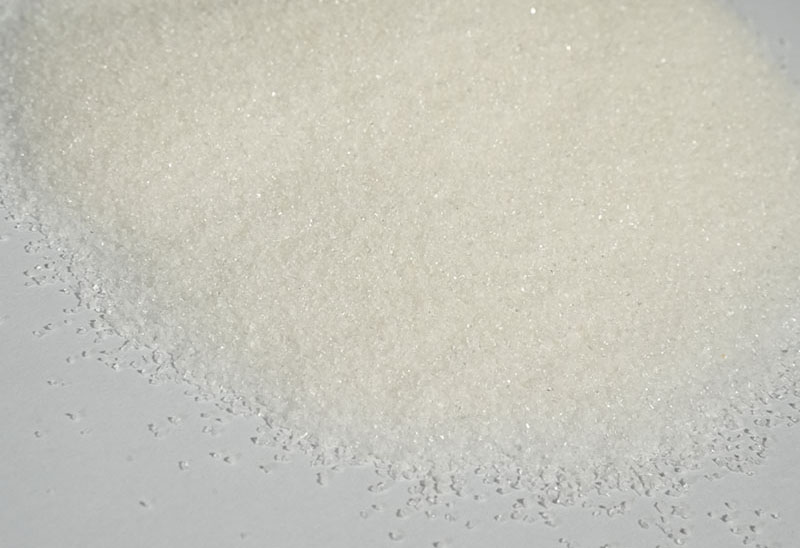
يُستخدم هذا النوع من الأقمشة بشكل أساسي في الطبقة العلوية من الحفاضات، حيث يلامس بشرة الطفل مباشرةً. ومن أكثر أنواعه شيوعًا القماش غير المنسوج المسامي والقماش غير المنسوج المغزول، مع تميز القماش غير المنسوج المسامي بأداء أفضل. فهو يسمح بمرور الهواء، ومقاوم للماء، وناعم، وخفيف الوزن، وغير سام، ولا يُسبب تهيجًا للبشرة، مما يُقلل من تهيجها ويُساعد على نقل السوائل بسرعة إلى الطبقة الداخلية الماصة.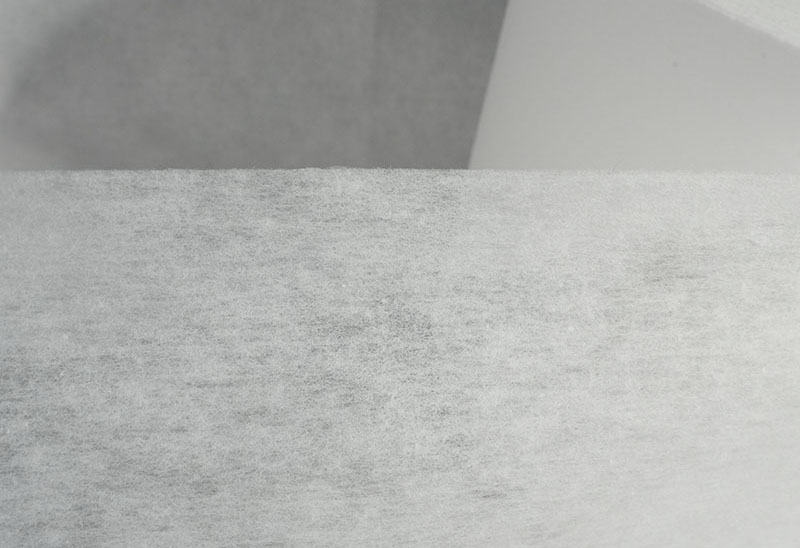
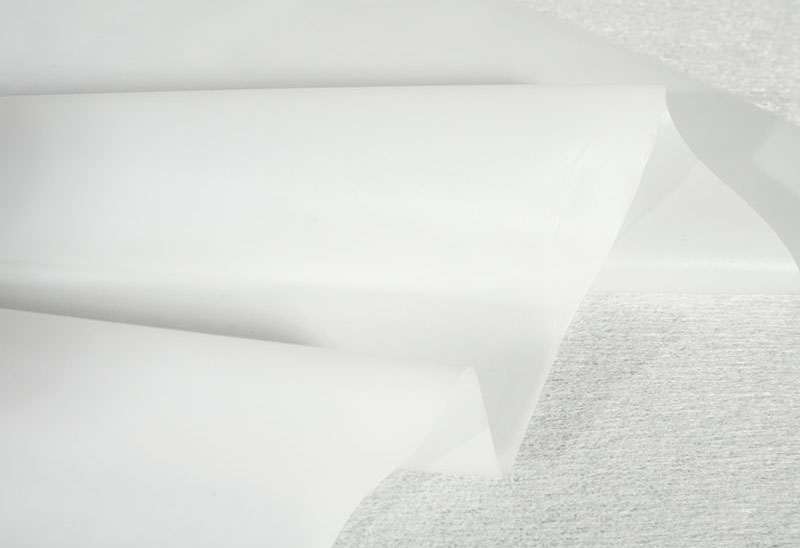
غشاء البولي إيثيلين القابل للتنفس
توجد هذه الطبقة عادةً على الجهة الخلفية للحفاض، وتتميز بخصائص طاردة للماء ومسامية. تُصنع طبقة البولي أوليفين المسامية بإضافة مواد مالئة خاملة إلى حامل من البولي إيثيلين أو البولي بروبيلين، ثم تشكيلها وتمديدها. خلال عملية تشكيل الطبقة، يُحدث التمديد بنسبة عالية مسامات، مما يمنحها خصائص التهوية وامتصاص الرطوبة. يمنع تركيبها ذو المسامات الدقيقة تسرب السوائل مع السماح للرطوبة بالخروج، مما يساعد على الحفاظ على راحة البشرة وتقليل الشعور بالاختناق.
تعمل هذه المواد الثلاث معًا لضمان أداء الحفاض من حيث الامتصاص والراحة عند التلامس والتهوية ومنع التسرب، مما يلبي متطلبات المستهلكين لجودة المنتج وتجربة المستخدم.
للمزيد من المعلومات، يرجى زيارة الموقع الإلكتروني www.glinknonwoven.com

تعد Global Link إحدى الشركات الرائدة في تصنيع المواد الخام لمنتجات النظافة منذ عام 2008.
 عربي
عربي English
 Español
 عربي
عربي


 IPv6 دعم الشبكة